
Last Updated on April 24, 2026 12:22 pm by BIZNAMA NEWS
AMN / NEWS DESK
In a major move aimed at easing the financial burden on patients, Donald Trump has announced sweeping agreements with top pharmaceutical companies to significantly reduce prescription drug prices across the United States. Calling it “the biggest cut in drug prices in US history,” the President framed the initiative as a long-overdue correction to what he described as unfair pricing practices.
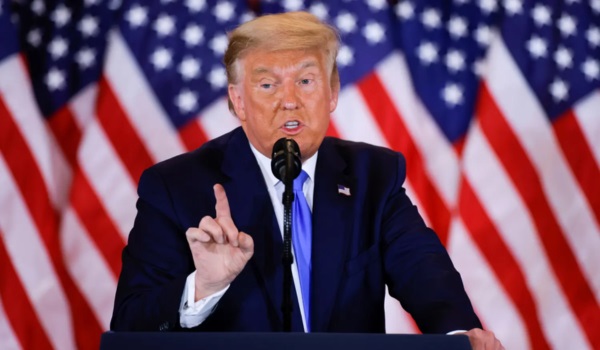
Speaking at the White House, Trump revealed that several leading drugmakers, including Regeneron Pharmaceuticals, have agreed to adopt a “most-favoured-nation” pricing model. This means that medicines sold in the US will now be priced at levels comparable to the lowest rates offered in other developed countries—a benchmark that could dramatically reduce costs for American consumers.
According to the administration, as many as 17 of the world’s largest pharmaceutical companies—accounting for roughly 80% of the branded drug market—have signed onto the framework. The White House further noted that current agreements already cover nearly 86% of the branded pharmaceutical segment, with negotiations ongoing to bring additional firms into the fold.
The policy shift comes amid long-standing criticism that Americans pay far more for prescription drugs than patients in countries like Canada, Germany, and the United Kingdom, where government-backed pricing systems keep costs in check. By linking US drug prices to global benchmarks, the administration hopes to close this gap and curb rising healthcare expenses.
However, industry experts caution that implementation could face legal and logistical hurdles, particularly around international price comparisons and supply chain adjustments. Pharmaceutical companies have also expressed concerns that steep price cuts may impact innovation and research investments.
Despite these challenges, the move is being seen as a significant shift in US healthcare policy, with potential ripple effects across global pharmaceutical markets. If fully executed, the initiative could redefine pricing strategies not just in America, but worldwide.