
Zakir Hossain from Dhaka
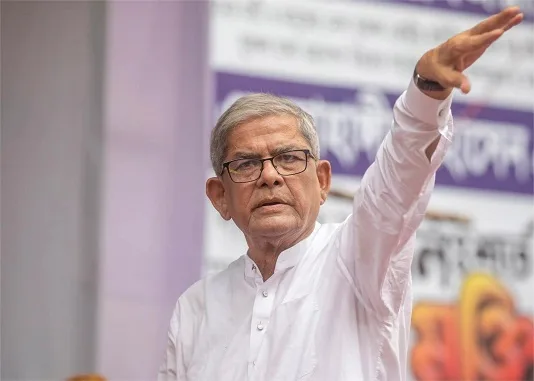
Veteran BNP leader Mirza Fakhrul Islam Alamgir was elected Bangladesh’s 23rd president on Thursday, defeating opposition candidate Colonel (retired) Oli Ahmad in the country’s first contested presidential election in nearly 35 years.
Fakhrul, nominated by Prime Minister Tarique Rahman’s ruling Bangladesh Nationalist Party, secured 255 votes, while Oli, fielded by the Jamaat-e-Islami-led 11-party opposition alliance, received 88. Chief Election Commissioner AMM Nasir Uddin declared Fakhrul elected after counting the votes cast by members of the Jatiya Sangsad. Of the 349 MPs eligible to vote, 343 cast valid ballots.
Unlike India, where the president is elected by an electoral college comprising elected MPs and MLAs, Bangladesh’s president is chosen by members of the national parliament. With the BNP commanding a large majority in the House, Fakhrul had entered Thursday’s contest as the clear favourite.
The vote was nevertheless politically significant. Since Bangladesh returned to the parliamentary system in 1991, presidential candidates have generally been elected unopposed. The 1991 election was the last in which MPs chose between rival candidates.
Fakhrul, 78, is a former economics lecturer who rose from grassroots politics to become one of the BNP’s most prominent leaders. He served as the party’s secretary general for a decade and, until his presidential nomination, was Local Government, Rural Development and Cooperatives Minister in Tarique’s government.
Article 70 row
The election also revived a debate over Article 70 of the Bangladesh Constitution, which can cost an MP their parliamentary seat for voting against their party.
The opposition had argued that the provision prevented lawmakers from exercising an independent choice in the presidential election.
Jamaat MP Abdul Baten said ahead of the vote: “It would have been better if MPs could vote independently, but because of Article 70 of the Constitution, they cannot. We believe this is a major obstacle to the exercise of their free voting rights.”
The ruling side rejected suggestions that the constitutional provision undermined the present election. BNP leader Gayeshwar Chandra Roy said the issue could be dealt with through parliament later, adding: “Raising this question before the presidential election is irrelevant and may create confusion.”
Hours before the result, Home Minister Salahuddin Ahmed said the government had already begun the process of amending Article 70 and that the next presidential election would be held under the revised provision.
“Through competitive elections, the people will see a practical reflection of the democratic practice they expect,” Salahuddin said.
Under the proposed reform, MPs would generally be free to vote against their party, while party discipline would continue to apply to confidence votes and money bills. Salahuddin said the amendment process was moving ahead, although the opposition had yet to join the committee formed for constitutional changes.
The opposition alliance had said from the outset that defeating the BNP nominee was not its principal objective. It fielded Oli, an LDP chairman and Liberation War veteran, to prevent another uncontested presidential election and revive competitive democratic practice.
“The opposition did not want the election to be held uncontested. That is why we have nominated a candidate,” Opposition Chief Whip Nahid Islam had said.
Fakhrul will succeed Mohammed Shahabuddin, who resigned on July 24 on health grounds. Since then, Parliament Speaker Hafiz Uddin Ahmad has been performing the functions of acting president, with Deputy Speaker Kayser Kamal acting as speaker.
Bangabhaban, the presidential palace, is preparing for Fakhrul’s swearing-in on Friday evening. With Hafiz currently serving as acting president, acting speaker Kayser Kamal is expected to administer the oath.
For Fakhrul, the result completes a political journey from university student activism and the classroom to the BNP’s top leadership, and now to Bangladesh’s highest constitutional office.