
Our Political Correspondent
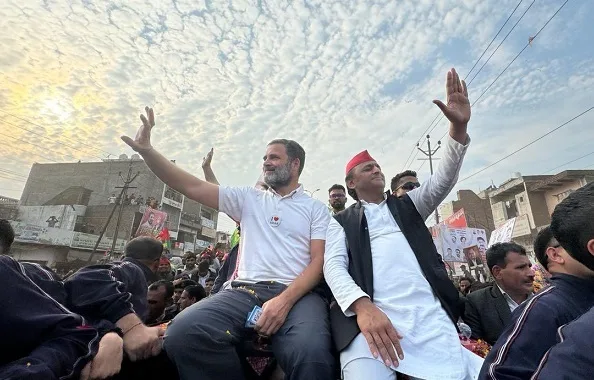
Seat-sharing negotiations between the Samajwadi Party (SP) and the Congress for the upcoming Uttar Pradesh Assembly elections have begun, but the initial signals from the discussions suggest that reaching a consensus may not be straightforward. The Samajwadi Party, which emerged as the dominant partner in the INDIA bloc in Uttar Pradesh after winning 37 Lok Sabha seats, is reportedly reluctant to offer Congress more than 70 Assembly constituencies.
Highly placed sources in the Congress party said the party’s central leadership has conveyed to its state leaders that they should aim to conclude the negotiations within the range of 60–70 seats. According to sources, the high command has also indicated that Congress leaders keen on contesting from constituencies beyond the agreed quota may consider doing so on Samajwadi Party symbols, rather than allowing the seat-sharing arrangement to become a point of friction.
Despite the ongoing negotiations, no senior Congress leader has so far made a public statement outlining the party’s position or the progress of the discussions. The leadership appears keen to maintain a measured public stance while keeping the alliance intact.
Sources said Congress is prepared to accommodate its alliance partners and provide them adequate political space, rather than project itself as rigid or unwilling to compromise. The party’s immediate priority, they indicated, is to preserve unity within the INDIA bloc and avoid any public disagreement that could affect the alliance’s political coordination in the state.
Meanwhile, Congress is preparing to intensify its political activities in Uttar Pradesh. According to party sources, the campaign is scheduled to begin on December 10, with Rahul Gandhi expected to launch the party’s campaign from Saharanpur. The proposed outreach is likely to provide Congress an opportunity to strengthen its organisational presence while the seat-sharing negotiations continue.
The coming weeks are expected to be crucial in determining the contours of the SP-Congress arrangement, with the number of seats, constituency adjustments and the formula for accommodating aspirants likely to remain key issues in the negotiations.