
Last Updated on March 14, 2026 3:30 pm by BIZNAMA NEWS
ANDALIB AKHTER / New Delhi
— Rising global oil prices and growing geopolitical tensions have renewed focus on India’s efforts to diversify its energy mix through alternate fuel options. The government has been steadily promoting biofuels, green hydrogen, electric mobility, and compressed biogas as part of a broader strategy to reduce dependence on imported fossil fuels and strengthen energy security.
India currently imports nearly 85 percent of its crude oil requirements, making the economy highly vulnerable to fluctuations in global oil markets. With international benchmark Brent Crude recently moving above $100 per barrel, policymakers have reiterated the urgency of transitioning toward cleaner and domestically produced energy sources.
Emergency Use of Kerosene and Coal
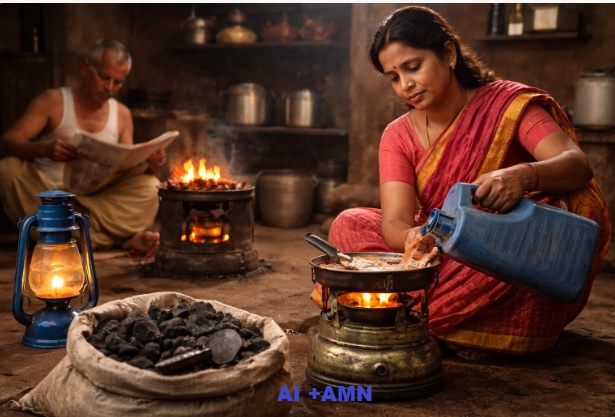
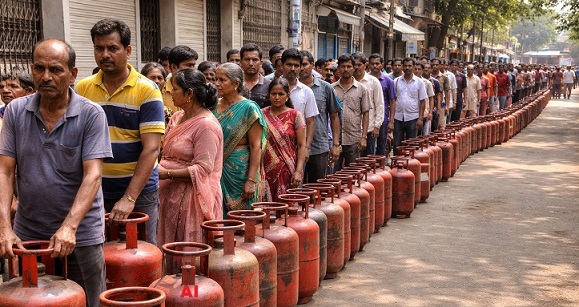
In a recent step to stabilise the cooking fuel supply chain, the government has temporarily allowed the use of kerosene, coal and biomass as alternate fuels, particularly for hotels, restaurants and commercial establishments. The move aims to reduce pressure on the supply of liquefied petroleum gas (LPG), which has been affected by global shipping disruptions and geopolitical tensions in the Middle East.
Officials said the Ministry of Environment, Forest and Climate Change advised state pollution control boards to permit these fuels for a limited period during the crisis.
To support this policy, the government has also increased kerosene allocation to states by 48,000 kilolitres in addition to the regular quota, with distribution largely through the Public Distribution System and fuel retail outlets.
The measure is intended as a temporary emergency response to ensure cooking fuel availability while protecting household LPG supplies.
Coal Supply to Small Businesses
At the same time, the government has asked state-run coal companies to increase supply to small industries, hotels and restaurants that may need alternate energy sources during the current fuel supply squeeze.
Although coal and kerosene are considered more polluting than LPG, policymakers have emphasised that the move is a short-term solution to manage the energy supply shock.
Long-Term Shift Toward Cleaner Alternatives
While these emergency steps have revived older fuels, India’s long-term policy continues to focus on cleaner alternatives.
The government is pushing the National Green Hydrogen Mission, which aims to produce millions of tonnes of green hydrogen annually by 2030, helping decarbonise industries such as steel, refining and fertilisers.
Similarly, the FAME India Scheme is accelerating the transition to electric mobility through subsidies for electric vehicles and charging infrastructure.
Biofuels are another key component of India’s alternate energy strategy. The ethanol blending programme aims to mix 20 percent ethanol with petrol by 2025, reducing crude oil imports and supporting farmers.
Clean Cooking Initiatives
India has also expanded access to clean cooking fuels through schemes like Pradhan Mantri Ujjwala Yojana, which has provided millions of LPG connections to low-income households.
However, the recent return of kerosene and coal highlights how global geopolitical events can affect domestic energy systems.
Energy Security at the Core
Energy experts say the current situation underscores the need for a diversified fuel mix that includes renewable energy, biofuels, hydrogen, electricity and domestic resources.
While the temporary revival of kerosene and coal reflects the urgency of managing supply disruptions, the broader policy direction remains focused on cleaner and sustainable energy alternatives to reduce dependence on imported fossil fuels.