Last Updated on March 6, 2026 5:55 pm by BIZNAMA NEWS
By R. Suryamurthy
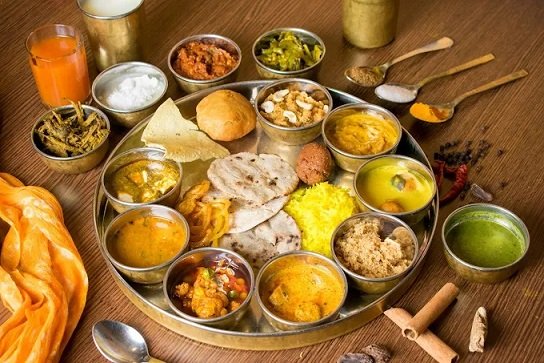
In kitchens across India, the evening ritual remains unchanged: dal simmering, rotis puffing, and rice waiting to be served. Yet, behind this simple “everyday thali” lies a story stretching from local mandis to the conflict-scarred waters of the Persian Gulf.
According to CRISIL’s monthly indicator, the cost of a home-cooked vegetarian thali in February remained stable year-on-year. While tomato prices surged by 43% (reaching ₹33/kg) due to delayed harvests, this was offset by a 24% drop in onion prices and a 13% dip in potato prices.
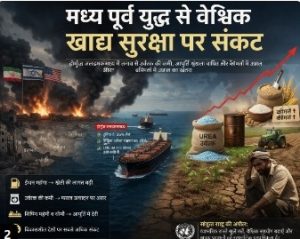
However, the “Thali” is now intersecting with high-stakes geopolitics. The 2026 Iran War has raised alarms over the Strait of Hormuz, a critical maritime corridor.
For farmers and traders alike, the stakes are high. Basmati exports are a major source of income for northern India’s agricultural belt, and even temporary disruptions could ripple through rural markets.
The impact, however, may not be uniform.
Non-basmati rice — which India exports largely to African countries — is expected to remain relatively insulated from the West Asian turmoil. That segment of trade relies on different shipping routes and markets, reducing the risk of immediate disruption.
Back in Indian kitchens, though, the global turmoil feels distant — at least for now.
Vegetable prices are expected to ease in the coming weeks as seasonal supplies improve. Potato prices are likely to remain subdued through March and April during the peak arrival season, while onion prices could stay under pressure unless exports pick up.
Tomatoes, however, may continue to pinch household budgets a little longer.
Prices are expected to remain elevated until mid-April before stabilising as the market transitions between crop cycles.
The Impact on Exports:
- Basmati Rice: Iran accounts for 18% of India’s basmati shipments. With insurers raising risk premiums and shipping routes under pressure, traders in Haryana’s Karnal district are wary.
- Middle East Reach: Over half of India’s basmati exports go to the Middle East. Any disruption in the Gulf ripples directly into the pockets of Indian farmers.
- Non-Basmati Rice: Remins relatively insulated as it primarily serves African markets through different routes.
As Pushan Sharma, Director at CRISIL Intelligence, notes, the West Asian uncertainty may soften near-term demand. For now, the Indian kitchen adapts—using curd or tamarind instead of costly tomatoes—while the world watches the horizon of the Persian Gulf.