
Zakir Hossain from Dhaka
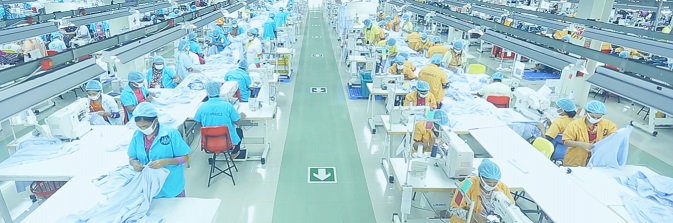
Bangladesh’s crucial readymade garment (RMG) sector, the backbone of the country’s export economy and employer of more than four million workers, remains on edge despite the government’s decision to raise the minimum wage for entry-level garment workers by 36%.
After nearly 12 hours of negotiations, the wage board approved a new monthly minimum salary of Tk17,000 for entry-level workers, up from Tk12,500. While four members of the six-member board backed the proposal, two members argued for a higher figure of Tk18,000. Workers in higher grades will see wages rise to as much as Tk21,500. The revised structure is scheduled to take effect from December 1, with workers receiving the increased salaries in January.
However, the pay hike has failed to satisfy large sections of the workforce. Garment workers, who initially demanded a minimum monthly wage of Tk32,000, argue that the approved increase falls short of meeting rising living expenses, including housing, food and transportation costs. Labour rights groups have echoed these concerns, saying the revised wage still does not adequately reflect inflationary pressures faced by low-income families.
Worker dissatisfaction spilled onto the streets, with demonstrations reported in major industrial hubs including Gazipur, Savar and Ashulia. Protesters blocked highways and disrupted transport networks, prompting police intervention using tear gas and sound grenades to disperse crowds.
The prolonged unrest has taken a significant toll on Bangladesh’s largest export sector. According to garment industry estimates, factory shutdowns and labour disruptions over 18 days resulted in production losses worth approximately $428 million. International buyers also reportedly shifted around $254 million worth of orders to competitor manufacturing destinations, raising concerns about Bangladesh’s competitiveness in the global apparel market.
Industry leaders warn that continued instability could affect export earnings and investor confidence at a time when Bangladesh is seeking to maintain its position as one of the world’s leading garment-exporting nations.
Hasina Faces Fresh Legal Challenge
Separately, Bangladesh’s political landscape remains turbulent as former prime minister Sheikh Hasina faces another murder trial linked to the 2024 anti-government uprising. Hasina and 33 others have been accused in the death of truck driver Md Hossain, who was killed during protests in Dhaka’s Mohammadpur area on July 19, 2024.
A Dhaka court on Wednesday postponed witness testimony after six detained defendants could not be produced from prison due to security concerns. The hearing has been rescheduled for December 7.
The latest case adds to the mounting legal pressure on Hasina following her removal from power in August 2024. Currently living in India, she has denied all allegations. Her aides say she intends to return to Bangladesh on December 16, coinciding with the country’s Victory Day celebrations, even as Dhaka continues efforts to secure her extradition from New Delhi.
The political tensions have also fueled fresh confrontation between rival parties, with opposition groups planning nationwide demonstrations and accusing both the government and Hasina’s now activity-banned Awami League of contributing to the country’s ongoing instability.