
Last Updated on June 7, 2026 4:00 pm by BIZNAMA NEWS
AMN / WEB DESK
The simmering conflict between the United States and Iran officially crossed the 100-day threshold on Sunday, punctuated by sharp military exchanges in the Gulf and a deepening diplomatic deadlock. What began in late February with large-scale U.S. and Israeli air strikes under Operation Epic Fury has metastasized into a sprawling regional crisis, pushing the limits of a fragile, Pakistan-brokered ceasefire that has been in place since April.
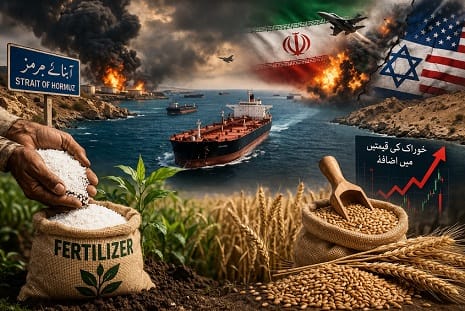
Over the weekend, the vital maritime artery of the Strait of Hormuz—which has been effectively paralyzed since the conflict broke out—became the stage for severe kinetic escalations. According to report details from The Hindu, U.S. Central Command (CENTCOM) forces intercepted and destroyed two Iranian one-way attack drones on Sunday after determining they posed an imminent threat to international shipping.
The weekend flare-up began on Friday when U.S. forces downed four similar drones, prompting Washington to launch retaliatory self-defense strikes targeting Iranian coastal radar installations and surveillance centers on Qeshm Island and in Goruk.
Ballistic Salvos and Spillover Fronts
Iran’s Islamic Revolutionary Guard Corps (IRGC) responded swiftly on Saturday by launching a salvo of seven ballistic missiles toward American strategic hubs in neighboring Gulf states—specifically targeting U.S. Navy 5th Fleet facilities in Bahrain and airbases in Kuwait. As reported by The Washington Post, coalition air defense networks successfully intercepted six of the incoming projectiles, while one fell short of its target. While no U.S. military casualties were reported, falling missile debris caused localized material damage in residential areas of Kuwait.
The human and geopolitical toll of the 100-day war continues to expand past the primary borders of the Persian Gulf:
- The Toll in Lebanon: The secondary front in southern Lebanon saw a tragic escalation over the weekend when an Israeli military strike hit a Lebanese Armed Forces vehicle near Nabatieh, killing three Lebanese soldiers. According to comprehensive data tracked by Gulf News, the broader conflict has resulted in over 3,500 casualties in Lebanon since early March due to concurrent Israeli operations against Hezbollah.
- The Economic Shockwave: The dual blockade—enforced both by Iran’s restrictions on the Strait of Hormuz and a matching U.S. naval blockade on Iranian ports—has choked off a significant portion of the global energy trade. Analysis by Newsweek indicates the ongoing closure has removed roughly 25% of crude oil and 20% of liquefied natural gas from global supplies, triggering persistent macroeconomic price shocks worldwide.
Stalled Diplomacy and the Fight Over Frozen Assets
On the diplomatic front, high-level mediation spearheaded by Pakistani officials continues in Tehran, though negotiators face severe friction. Central to the gridlock are Iran’s demands for the lifting of economic sanctions and the immediate unfreezing of roughly $24 billion in frozen state assets held overseas.
Tensions have been further exacerbated by evolving deliberations inside Washington. U.S. Treasury officials are actively examining legal frameworks to potentially redirect those frozen Iranian funds to compensate and rebuild infrastructure for Gulf allies damaged by recent IRGC missile strikes.
With both Washington and Tehran unyielding in their respective positions, the strategy on both sides remains an volatile mix of back-channel diplomacy and aggressive military posturing, leaving the prospects for a comprehensive peace agreement highly volatile as the war enters its second hundred days.