
Last Updated on June 24, 2026 11:57 pm by BIZNAMA NEWS
AMN
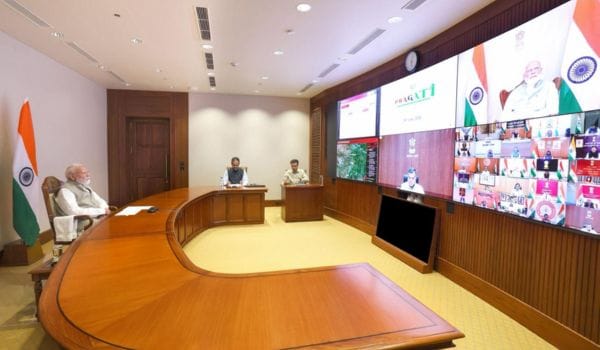
Prime Minister Narendra Modi today chaired the 52nd meeting of PRAGATI, the ICT-enabled multi-modal platform for Pro-Active Governance and Timely Implementation, at Seva Teerth in New Delhi. During the meeting, Mr Modi reviewed four major infrastructure projects in the Road, Power, Industrial Corridor and Metro Rail sectors across four states, involving an investment of around 30,000 crore rupees.
The projects, aimed at boosting economic growth, regional connectivity, industrial development and public welfare, were reviewed with a focus on timelines, inter-agency coordination and speedy resolution of pending issues.
The Prime Minister stressed that delays in infrastructure projects lead to cost escalation and deprive citizens and industries of timely benefits. He directed the concerned Ministries and State Governments to resolve bottlenecks in a mission mode and ensure close monitoring of project implementation.
The Prime Minister also emphasised the effective use of the PM GatiShakti National Master Plan for efficient planning and timely execution of infrastructure projects. He called for regular updation of project details, utility information, infrastructure layers and clearances on the portal to ensure real-time monitoring and improved coordination among agencies.
The Prime Minister’s Office informed that the meeting also reviewed the TB Mukt Bharat Abhiyan. The Prime Minister highlighted the importance of leveraging emerging technologies, including Artificial Intelligence, in the fight against tuberculosis. He suggested involving NCC cadets and MY Bharat volunteers in awareness campaigns, patient follow-up and community mobilisation efforts.
Mr Modi further reviewed grievances related to cybercrime and digital arrest cases. Expressing concern over the growing misuse of digital platforms to defraud citizens, he stressed the need for coordinated, sensitive and time-bound action by all agencies.
Mr Modi underlined the need for clear accountability, faster response mechanisms and stronger coordination among law enforcement agencies, banks and digital platforms. He also called for intensified public awareness campaigns and directed stakeholders to strengthen systems for prevention, reporting, investigation and grievance redressal in cyber fraud cases. He urged states to work towards enabling e-Zero FIR mechanisms for quicker registration and response to cyber fraud complaints.