
Last Updated on July 14, 2026 10:28 pm by BIZNAMA NEWS
Staff Reporter / NEW DELHI
In a significant push to optimize India’s logistics landscape, Railway Minister Ashwini Vaishnaw has announced eight new structural reforms under the government’s ‘Reform Express’ initiative. These measures, which bring the total count to 17 out of a targeted 52 reforms for the year, aim to reduce logistics costs, boost private sector participation, and transition to cleaner, more efficient freight operations.
Key Policy Overhauls
1. Sustainable Freight: Containerised Fly Ash
To address the environmental impact of fly ash—of which India generates 340 million tonnes annually—the Railways is shifting from open wagons to ISO-standard closed containers. This move is designed to eliminate dust pollution during loading, transit, and unloading, making the transportation of this industrial by-product significantly more viable for the cement and construction sectors.
2. Unified Container Licensing
The complex four-category Container Train Operator (CTO) licensing system has been replaced with a single Pan-India license.
- Uniform Fee: A non-refundable registration fee of ₹25 crore now applies nationwide, replacing the former tiered structure that ranged from ₹10 crore to ₹50 crore.
- Long-term Stability: License extensions beyond the initial 20-year period will now be granted free of charge, encouraging sustained private investment.
3. Streamlined Fertilizer & Foodgrain Logistics
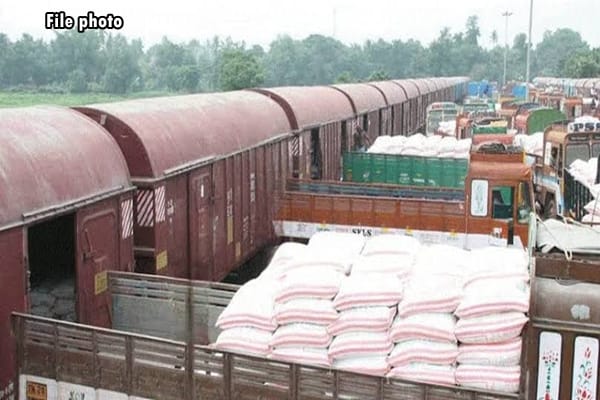
Freight charges for fertilizers and foodgrains have been overhauled, replacing 50 complex slabs with a simplified per-tonne per-kilometre tariff structure. Furthermore, the introduction of containerised movement allows for phased unloading, meaning individual containers can be stored at rake points based on demand, rather than detaining entire rakes.
4. Industry-Led Wagon Innovation
In a major departure from centralized design, Indian Railways will now allow private industry to design commodity-specific wagons. While the Research Designs and Standards Organisation (RDSO) will retain oversight for safety and technical certification, this policy empowers companies—particularly in steel, petroleum, and chemicals—to tailor rolling stock to their specific operational needs.
5. Liberalized Petroleum Logistics
Oil companies are now permitted to procure or lease their own specialized tank wagons, breaking the traditional railway-owned monopoly. This is expected to improve logistics planning and reduce transportation costs for POL (Petroleum, Oil, and Lubricant) products.
Construction & Project Execution Reforms
The Ministry has introduced strict new measures to improve project quality and curb delays:
- Skill Certification: Artisans (welders, masons, fitters) must now obtain QR-coded, live-verified skill certificates.
- Contractor Accountability: A 10% performance security deposit is now required upfront. Additionally, firms with pending litigation exceeding 50% of their net worth are barred from bidding on railway tenders.
- Digital Integration: The new Rail Bhoomi platform will digitize land acquisition, aiming to reduce project delays by 30-40%.
Minister Vaishnaw emphasized that these reforms are critical to shifting a larger share of freight from roads to rail, which produces approximately 90% fewer carbon emissions, thereby supporting both economic efficiency and India’s environmental commitments.