
Our Correspondent
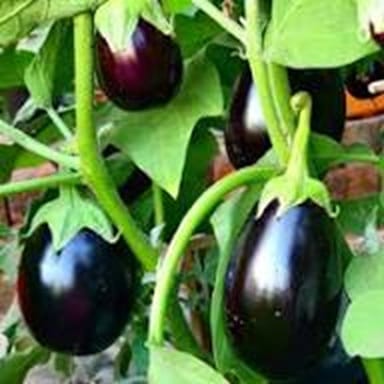
It is roasted and mashed into smoky baingan bharta in the north, stuffed with spicy peanut pastes for gutti vankaya in the south, fried into crispy beguni in the east, and slow cooked with potatoes in the west. The humble brinjal—alternatively known as eggplant or aubergine—is arguably the ultimate culinary chameleon of the Indian kitchen.
But beyond its ubiquitous presence on our dinner plates lies an extraordinary agricultural triumph. India is officially the undisputed global superpower of brinjal production, harvesting a staggering 12.9 million metric tonnes annually.
According to the latest data from the Food and Agriculture Organisation (FAO), India outpaces China (11.5 million tonnes) to claim the world’s number one spot, single handedly accounting for roughly one third of the planet’s total brinjal supply. Far behind them are Egypt (1.3 million tonnes), Turkey (0.8 million tonnes), and Indonesia (0.5 million tonnes).

From Ancient Roots to GI Glory
For India, this isn’t just a recent farming victory—it is a homecoming. Historical and botanical records suggest that the brinjal was domesticated right here in the Indian subcontinent over 2,000 years ago, before traveling along ancient trade routes to Asia, the Middle East, and Europe.
Because it has been bred for millennia across highly diverse microclimates, India boasts an unparalleled genetic library of this vegetable. It thrives in both the scorching summer heat and the mild winters, heavily cultivated across states like West Bengal, Odisha, Bihar, and Andhra Pradesh.
This deep regional heritage has even earned several indigenous varieties the prestigious Geographical Indication (GI) tag. From the celebrated Mattu Gulla of Karnataka to the unique Solapur Brinjal of Maharashtra and the prized Vankaya varieties of Andhra Pradesh, these crops are legally protected as national treasures due to their distinct local flavors, textures, and histories.
A Kaleidoscope of Types: It’s Not Just Purple
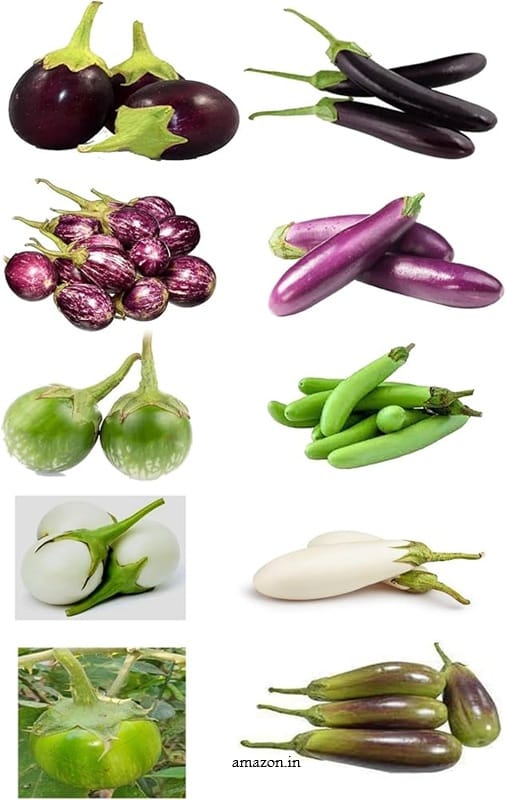
While the western world is largely accustomed to the uniform, teardrop shaped dark purple aubergine, stepping into an Indian sabzi mandi (vegetable market) reveals a breathtaking kaleidoscope of varieties.
Botanically speaking, the brinjal is actually a fruit—specifically, a large berry. And it comes in almost every shape and color imaginable:
- The Long and Slender: Ideal for quick stir fries, these thin green or purple varieties are tender and cook in minutes.
- The Round Giants: Massive, bulbous, and fleshy, these deep purple globes are built to be roasted directly over an open flame for mashing.
- The Petite and Striped: Small, egg shaped, and often sporting white and purple stripes, these are perfect for stuffing with rich spice blends.
- The Ghostly Whites and Vivid Greens: From creamy white oval varieties to pale jade green globes, these regional varieties offer varying levels of sweetness and seed density.
The Nutritional Powerhouse Hidden in Plain Sight
For generations, the brinjal was unfairly dismissed by some as a “filler” vegetable with little nutritional value. Modern science, however, has thoroughly debunked this myth, revealing it to be a powerhouse of health benefits.
The secret to the brinjal’s health boosting properties lies right in its skin. The deep purple hue is caused by nasunin, a potent antioxidant. Nasunin has been shown to protect cell membranes—particularly in brain cells—from free radical damage, earning brinjal a reputation as a great “brain food.”
Furthermore, it is an excellent dietary addition for weight management and metabolic health. Being low in calories but exceptionally high in dietary fiber, it promotes satiety and aids digestion. It also possesses a low glycemic index, meaning it causes a slow, gradual rise in blood sugar, making it an ideal vegetable for managing diabetes. Add to this a healthy dose of essential vitamins, minerals, and potassium for heart health, and the brinjal emerges as a true superfood disguised as an everyday staple.
From its ancient origins in Indian soil to its current status as a multimilliontonne global titan, the brinjal remains a testament to India’s agricultural prowess. The next time you enjoy a bite of this versatile vegetable, remember: you aren’t just eating a side dish, you are tasting a piece of world conquering history.