
Last Updated on July 4, 2026 3:03 pm by BIZNAMA NEWS
UN report warns that despite the reopening of the Strait of Hormuz, developing countries will continue to face rising food and fuel prices, fragile supply chains and prolonged economic hardship
ANDALIB AKHTER
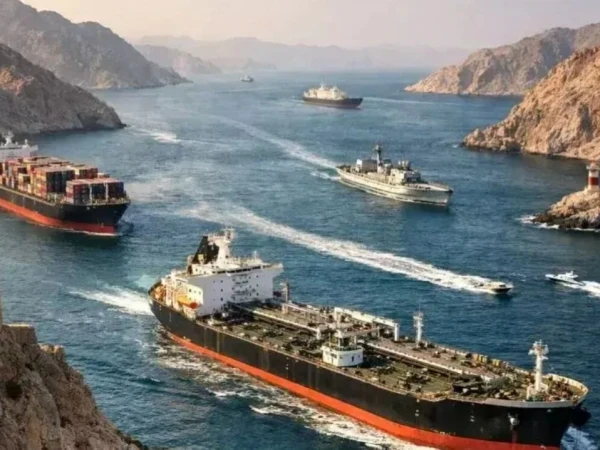
The Strait of Hormuz is often described as the world’s most strategic maritime passage. Connecting the Persian Gulf with the Gulf of Oman and the Arabian Sea, the narrow waterway carries nearly one-third of the world’s seaborne crude oil and a significant share of global liquefied natural gas (LNG) exports. Any disruption in this vital shipping lane immediately reverberates through international energy markets, global trade and food supply chains.
A new report by the United Nations Conference on Trade and Development (UNCTAD) warns that while the reopening of the Strait of Hormuz following the US-Iran ceasefire has eased immediate concerns, the economic consequences of the crisis are far from over. Although commercial shipping has resumed, the report says developing countries will continue to bear the brunt of higher food and fuel prices, disrupted supply chains and inflationary pressures for months to come.
The findings underscore a broader reality: geopolitical tensions in one of the world’s most sensitive regions can have profound consequences for economies thousands of kilometres away, particularly those already struggling with debt, poverty and food insecurity.
Shipping Has Resumed, But Uncertainty Remains
According to UNCTAD, maritime traffic through the Strait of Hormuz began recovering rapidly in mid-June after the ceasefire agreement between the United States and Iran reduced immediate security concerns. However, renewed tensions in recent weeks have slowed that recovery, once again creating uncertainty for shipping companies, insurers and global traders.
Reports indicate that Iran has rejected proposals put forward by France and Oman to remove naval mines from the Strait to enhance maritime safety. Tehran has also declined a proposal by the International Maritime Organization (IMO) to establish an alternative shipping corridor near the Omani coast.
These developments have renewed concerns over the security of one of the world’s busiest energy transit routes. Even without a complete closure of the Strait, the mere possibility of disruption increases insurance premiums, freight charges and shipping delays, costs that are eventually passed on to consumers worldwide.
Oil Flows May Recover Faster Than Supply Chains
The UN report notes that crude oil exports could gradually return to normal levels as shipping confidence improves. However, restoring global supply chains will take significantly longer.
Modern international trade depends on highly interconnected logistics networks involving ports, shipping lines, freight contracts, warehousing and inland transportation. Even a short-lived disruption forces shipping companies to reroute vessels, renegotiate freight contracts and absorb higher operating costs.
As a result, while oil supplies may stabilize relatively quickly, the transportation of food, industrial goods and raw materials may continue to face delays and elevated costs for an extended period.
For many countries, particularly import-dependent economies, this means that inflationary pressures are likely to persist long after the immediate geopolitical crisis subsides.
Developing Nations Face a Double Blow
UNCTAD identifies 61 vulnerable economies that are simultaneously dependent on imported fuel and imported food. These countries are especially exposed to global commodity price shocks.
Higher energy prices affect far more than motorists and airlines. They increase transportation costs, raise agricultural production expenses through more expensive fertilizers and irrigation, and push up manufacturing costs across multiple sectors.
Consequently, food prices often continue rising even after oil markets begin to stabilize.
The report highlights the particular vulnerability of Small Island Developing States (SIDS), including countries such as Cabo Verde and Micronesia, which rely heavily on imported fuel and food supplies. Limited domestic production and geographic isolation leave these nations with little protection against global price fluctuations.
Unlike wealthier economies, many developing countries lack sufficient fiscal resources to cushion consumers through subsidies or emergency support programmes.
Inflation’s Long Shadow
Economists have long observed that energy price shocks have a multiplier effect throughout the economy.
When shipping and fuel become more expensive, businesses face higher transportation and production costs. These increases are ultimately reflected in the prices consumers pay for essential goods, including food, medicine and household necessities.
For developing countries already grappling with debt burdens, weak currencies and limited foreign exchange reserves, such inflationary pressures can become particularly severe.
UNCTAD warns that countries facing declining remittances, reduced international aid or increasing debt servicing obligations could experience even deeper economic distress if trade disruptions continue.
The report suggests that the combined impact of higher import bills and weaker public finances could significantly undermine economic recovery in many low-income countries.
Food Security Under Threat
Perhaps the most alarming finding in the report concerns the humanitarian consequences of rising food prices.
According to UNCTAD, even temporary increases in food costs can have lasting effects on children’s health and development.
The report estimates that a 5 per cent increase in real food prices raises the risk of severe child wasting by 15 per cent among children living in poverty. Among landless rural households and the poorest communities, that risk climbs to 26 per cent.
Nutrition experts warn that malnutrition during early childhood can permanently affect physical growth, cognitive development, educational attainment and lifetime earning potential.
In many developing countries where millions already struggle to afford nutritious diets, additional price increases could reverse years of progress in combating hunger and child malnutrition.
International Cooperation Is Essential
UNCTAD argues that coordinated international action will be necessary to reduce the economic damage caused by disruptions in the Strait of Hormuz.
The organisation urges the international community to provide financial and technical support to vulnerable economies so they can cope with rising import costs, stabilize food and fuel supplies and strengthen resilience against future trade shocks.
Such measures could include emergency financing, support for food security programmes, improved logistics infrastructure and stronger regional trade cooperation.
The report also emphasizes the importance of maintaining open shipping lanes and ensuring that geopolitical disputes do not disrupt global commerce.
Peace Is an Economic Imperative
The United Nations Secretary-General has cautioned that the economic consequences of the Hormuz crisis will continue to be felt well beyond the immediate military confrontation.
He warned that developing countries, particularly those heavily dependent on imported food and energy, are likely to suffer the most unless regional stability is restored.
The Secretary-General has called on all parties to respect the ceasefire, avoid further escalation and intensify diplomatic efforts aimed at preserving peace and maritime security.
His appeal reflects a broader international consensus that stability in the Strait of Hormuz is not merely a regional concern but a cornerstone of global economic security.
A Global Wake-Up Call
The latest UNCTAD assessment serves as a reminder that today’s global economy remains deeply interconnected. A disruption in one strategic maritime corridor can rapidly trigger higher inflation, supply shortages, food insecurity and financial instability across continents.
Although the reopening of the Strait of Hormuz has reduced the immediate threat to global energy supplies, the report makes clear that the economic aftershocks are far from over. For many developing nations, the real challenge lies not in the temporary interruption of oil shipments but in the prolonged impact of higher food prices, rising transport costs and weakened economic resilience.
As geopolitical tensions continue to shape global markets, safeguarding critical trade routes and strengthening international cooperation will be essential to protecting the world’s most vulnerable economies from future crises.