
Last Updated on May 23, 2026 12:58 am by BIZNAMA NEWS
— Lalit Gargg
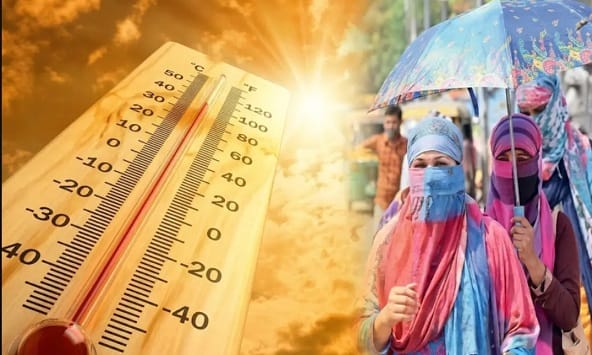
The summer of 2026 has emerged not merely as a seasonal phenomenon but as a grave warning standing before human civilization. The record-breaking heatwaves that swept across India and several parts of South Asia during April and May have made one reality unmistakably clear: climate change is no longer a crisis of the future; it is the frightening reality of the present. Temperatures soared to 46–48°C across Delhi, Rajasthan, Uttar Pradesh, Maharashtra, and several regions of central India. Electricity demand shattered previous records in many cities. Streets fell silent, labour activities slowed, and for children, the elderly, and economically vulnerable communities, survival itself became a challenge.
This crisis did not emerge overnight. It is the consequence of decades of ecological imbalance, reckless urbanization, deforestation, overexploitation of natural resources, and an excessively consumption-driven lifestyle. Nature repeatedly sent warning signals, but in the blind pursuit of development, humanity chose to ignore them. Today, those neglected warnings have returned in the form of devastating heatwaves. The root cause of heatwaves is not merely rising temperatures but a development model that has weakened the Earth’s natural protective systems. Forests have long functioned as the planet’s natural air conditioners. They absorb carbon dioxide, cool the atmosphere through evapotranspiration, and maintain the balance of rainfall cycles. Tragically, forests have been destroyed at an alarming pace in the name of development, with millions of hectares disappearing every year. The result has been predictable: local temperatures have risen, humidity levels have declined, rainfall patterns have become erratic, and the duration of heat spells has lengthened.
Today, cities have transformed into “concrete jungles.” Green spaces in urban areas are shrinking rapidly, replaced by cement, asphalt, and glass-covered skyscrapers. This has intensified the Urban Heat Island effect, making cities significantly warmer than surrounding rural regions. Concrete absorbs heat throughout the day and releases it slowly at night, causing nights to remain unusually hot and depriving the human body of essential relief. Cities such as Delhi, Mumbai, Jaipur, and Lucknow are witnessing steadily rising nighttime temperatures. Conditions are even more severe in low-income settlements, where green cover is absent, water supply remains inadequate, and cooling facilities are scarce. Homes with tin roofs become furnaces during the day. Heatwaves also deepen social inequality. The affluent can seek refuge in air-conditioned spaces, but labourers, rickshaw pullers, street vendors, and construction workers continue to toil under the open sky.
Ironically, the most popular solution to rising heat—air conditioning—is itself becoming a contributor to the crisis. An air conditioner cools indoor spaces while expelling an equal amount of hot air outdoors. It also increases electricity consumption, much of which still depends on coal-based energy. Refrigerant gases further intensify greenhouse effects. Thus, a vicious cycle has emerged: rising temperatures lead to increased use of air conditioners, which raises emissions and, in turn, causes temperatures to rise further. The impacts of climate change extend far beyond temperature increases. Agriculture, food security, public health, and the economy are all under growing threat. Scientific studies indicate that rising temperatures and erratic weather patterns are already affecting the productivity of wheat, rice, and other crops. Heat stress inhibits plant growth, dries water sources, and degrades soil fertility. If this trend continues, food insecurity could become a major challenge in the coming years.
The health sector is already experiencing severe consequences. Cases of heatstroke, dehydration, cardiovascular ailments, and mental stress are rising. Hospitals are reporting increasing numbers of heat-related illnesses. The most vulnerable include children, the elderly, pregnant women, and outdoor workers. This heat crisis also carries the potential to evolve into a broader humanitarian challenge. Drying water sources, agricultural distress, and deteriorating living conditions may trigger large-scale migration. Biodiversity is equally under threat, with numerous species of flora and fauna losing their natural habitats and facing existential risks. In such circumstances, the role of governments becomes critically important. Merely issuing red and orange alerts is no longer sufficient. Heatwaves must be recognized as a central issue in national disaster management strategies, supported by long-term policy interventions.
Cities need effective implementation of Heat Action Plans. Expansion of green cover, water conservation measures, shaded pathways, public drinking water facilities, and cooling centres must become priorities. School schedules, workplace timings, and public activities should be adjusted according to regional temperature conditions. Working hours for labourers should be regulated during peak afternoon heat, and mandatory provisions for rest and drinking water must be ensured.
Building policies also require urgent transformation. Traditional Indian architectural practices—ventilated homes, courtyards, mud-based construction, green roofs, and natural ventilation—should be revived and promoted. The dominance of glass façades and heat-absorbing structures demands serious reconsideration. Technologies such as cool roofs, rainwater harvesting systems, and solar-powered cooling mechanisms should receive strong policy support.
Forest conservation and afforestation must move beyond symbolic campaigns and become national priorities. Urban micro-forests, parks, green corridors, and the restoration of lakes and traditional water bodies should be promoted, as these play a crucial role in regulating local temperatures. However, governments alone cannot win this battle. Citizens must also recognize their responsibility. Reconsidering consumerist lifestyles is imperative. Water conservation, energy efficiency, tree plantation, use of public transport, and local environmental protection are no longer personal choices—they are social responsibilities. Indian society once had a rich tradition of public water stations (pyau), shaded rest shelters, and community water services. Providing drinking water to travelers during summer was considered an act of virtue. Reviving these traditions is the need of the hour. Social organizations, religious institutions, and volunteer groups can collectively launch campaigns for water service and heat relief.
Heat and water crises must become subjects of cooperation and solutions rather than political contention. Water disputes and self-serving politics over resources will only make the future more difficult. Environmental conservation, water management, and climate adaptation must become matters of national consensus. The scorching summer of 2026 is warning humanity that unless we restore harmony with nature, future years will become even harsher. Rising temperatures, biodiversity loss, food insecurity, and increasing human suffering may define the coming decades. This is not the time to fight nature; it is the time to coexist with it. We must adopt a model of development that safeguards the environment, human life, and future generations. Otherwise, the day may not be far when the sun’s heat will cease to be merely an inconvenience and become a profound threat to human existence.